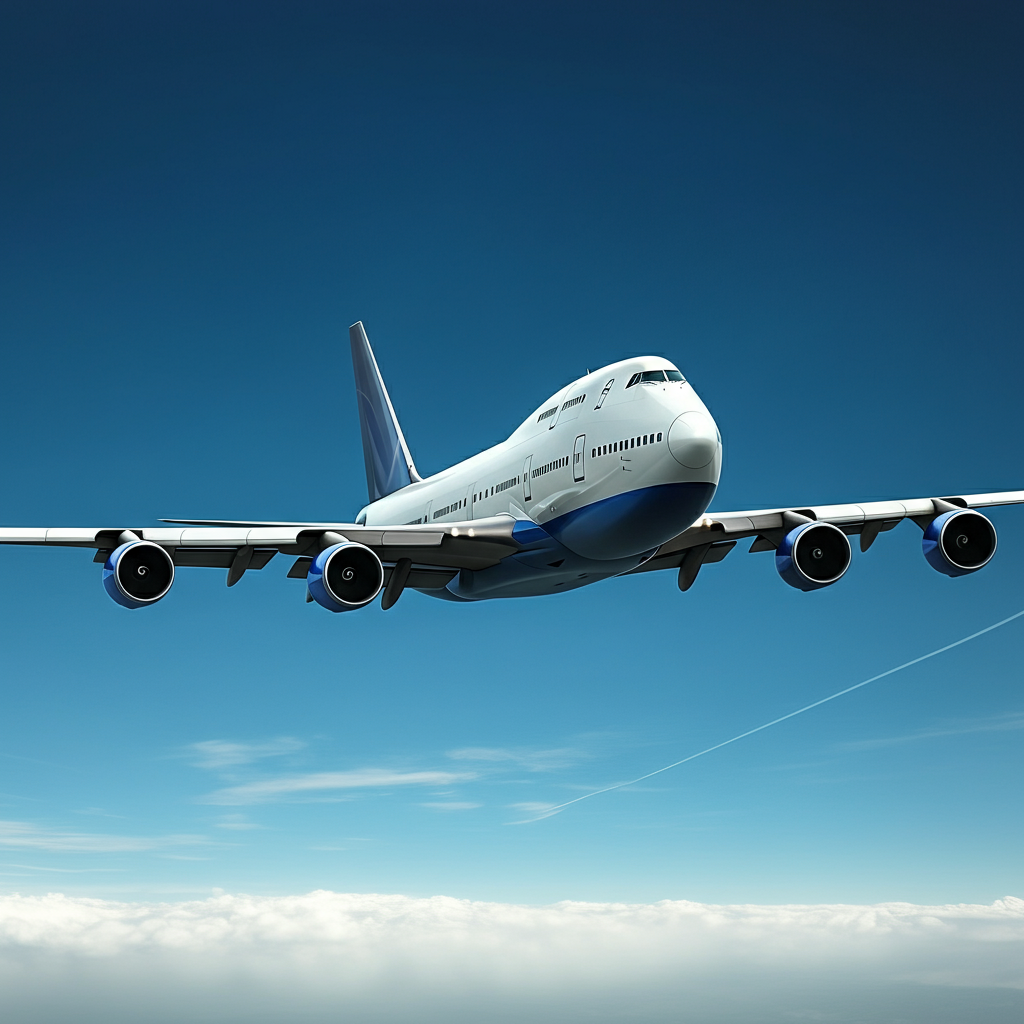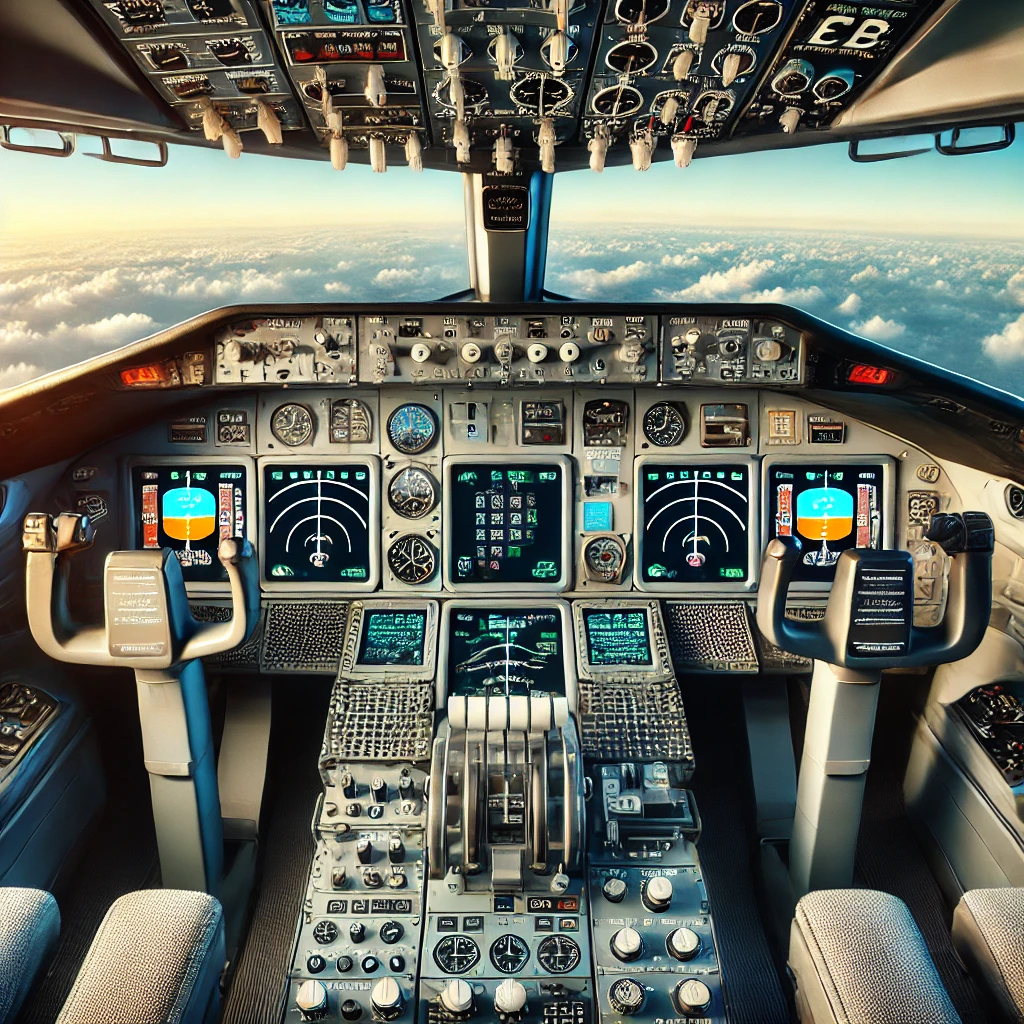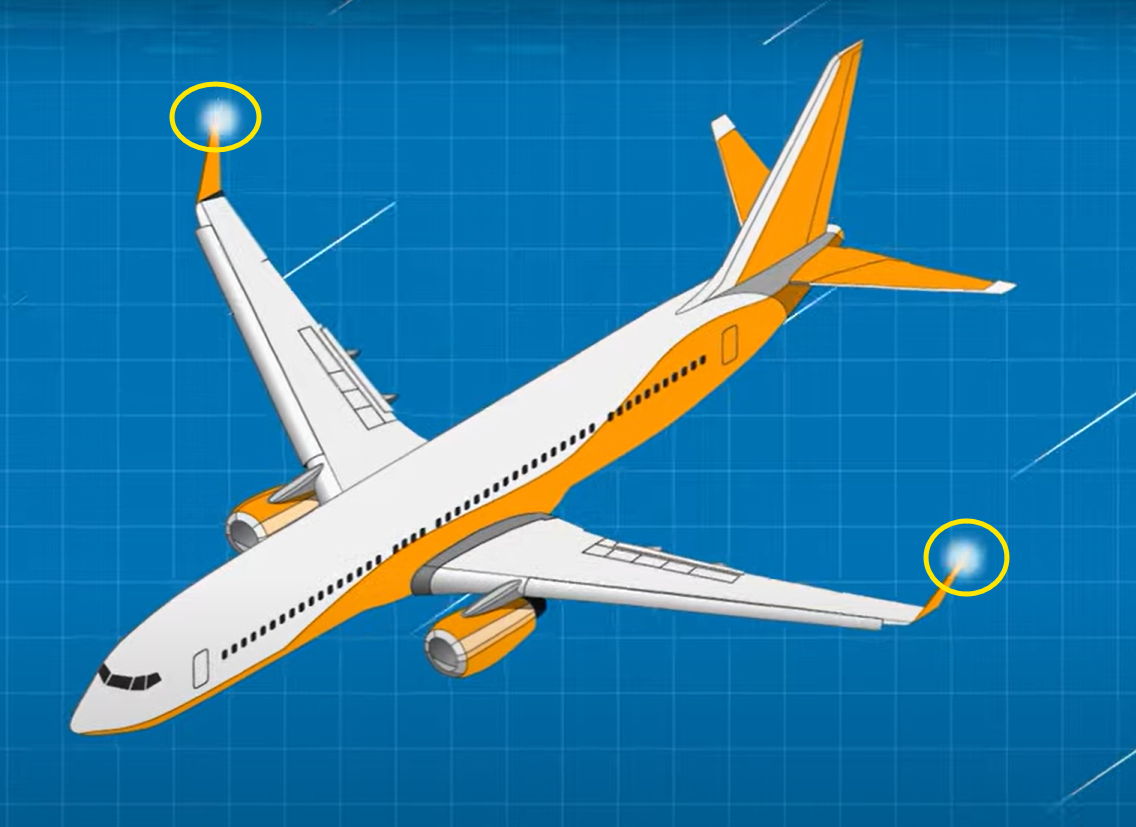
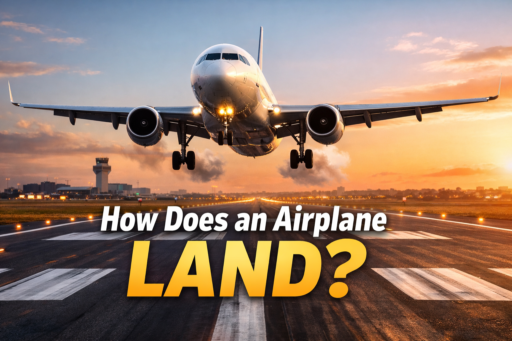
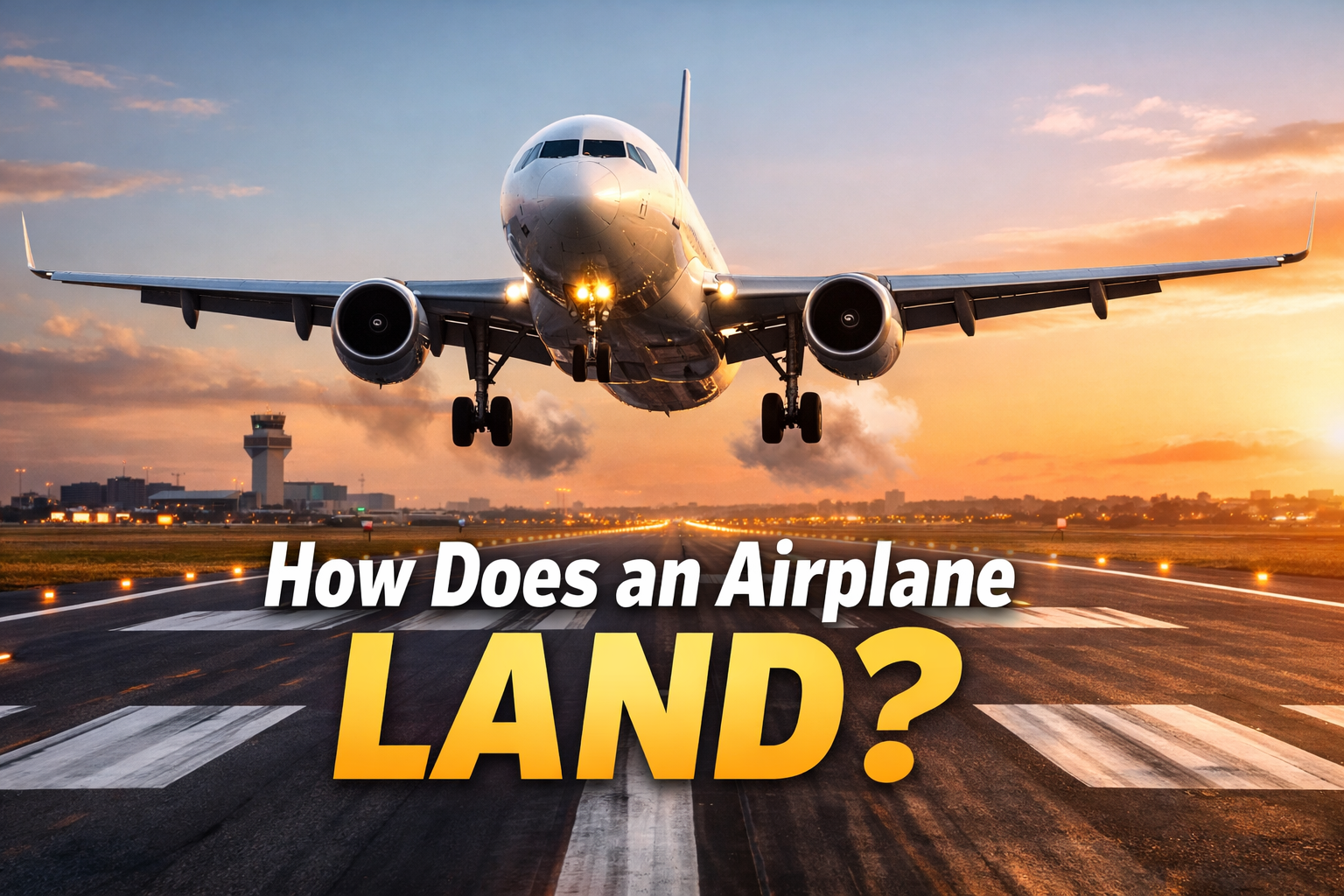

Airplane landings may look simple from the cabin window, but they are one of the most technically demanding phases of flight. Every commercial aircraft landing follows strict procedures designed to maximize safety, stability, and control.
How Does an Airplane Land? (Quick Answer)
An airplane lands by gradually descending toward the runway, reducing speed, extending flaps and landing gear, aligning with the runway, touching down on its main wheels, and slowing down using brakes, spoilers, and reverse thrust.
Step 1: Descent Begins
Landing preparation starts 20–30 minutes before arrival.
During descent:
- Engine thrust is reduced
- The aircraft maintains lift while losing altitude
- Pilots follow air traffic control instructions
The aircraft does not drop — it glides smoothly downward.
Step 2: Speed Reduction and Configuration
As the aircraft approaches the airport, pilots configure it for landing.
Flaps
- Extended gradually from the wings
- Increase lift at low speeds
- Allow safe, controlled descent
Landing Gear
- Deployed several miles before touchdown
- Locked into position and checked
This configuration allows the airplane to fly slowly without stalling.
Step 3: Final Approach to the Runway
The final approach is the most critical phase.
Pilots:
- Align the aircraft with the runway centerline
- Maintain precise speed and descent angle
- Follow visual cues or the Instrument Landing System (ILS)
In low visibility, the aircraft may use Autoland systems.
Step 4: Flare and Touchdown
Just before landing, pilots perform a maneuver called flare.
What happens during flare?
- The nose is gently raised
- Vertical speed is reduced
- Main landing gear touches first
The landing gear absorbs impact using shock struts.
Step 5: Slowing Down After Landing
Once the aircraft touches the runway, several systems slow it down:
- Spoilers reduce wing lift
- Reverse thrust redirects engine airflow
- Wheel brakes bring the aircraft to taxi speed
The airplane then exits the runway safely.
Step 6: Taxi to the Gate
After landing, air traffic control guides the aircraft along taxiways to the terminal gate. Engines remain running until parked.
Why Airplane Landings Are Extremely Safe
Commercial aviation follows strict global standards:
- Redundant flight systems
- Continuous pilot training
- Regular aircraft inspections
- Standardized landing procedures
Despite public concern after accidents, modern landings are statistically very safe.
Aviation Insight
Many aviation incidents happen during landing or approach, which is why this phase receives the highest level of pilot training and regulation worldwide.
Frequently Asked Questions
Do airplanes land automatically?
Yes. Many modern aircraft can land automatically using Autoland systems, especially in fog or poor visibility.
Why do airplanes land so hard sometimes?
A firm landing may be required due to weather, runway conditions, or safety procedures. A hard landing is not necessarily unsafe.
What speed does an airplane land at?
Most commercial airplanes land between 130–160 knots, depending on aircraft type and weight.
What happens if an airplane misses the runway?
If unstable, pilots perform a go-around, climbing back into the air to attempt another landing.